Plumbing in Louisville's historic core
The City of Louisville's planning documents describe Old Town as the heart of the city, known for its small-town charm, quaint history and local main street, with both single-family and multifamily homes. This page is for people who live there and call it home.
We serve Old Town as part of our Louisville plumbing service. The rest of this page covers what is known about the area, what to ask when a house is older, and which services people most often start with.
What the City's records say about Old Town
The City's historical building survey says Louis Nawatny platted the town of Louisville in 1878 on a 40-acre site, and that a Kimberly Addition followed in 1911. The survey area covers roughly 68 square blocks, with Lee Avenue, Front Street, County Road and Main Street among its principal north-south streets, and Rex, Parkview, Hutchinson, Elm and Pine Streets among the east-west ones.
That survey looked at 530 properties at the reconnaissance level and focused on buildings more than fifty years old. A plat date tells you when land was divided, not when a particular house or its pipes were installed, so we never guess a home's plumbing from its address.
Services Old Town homeowners start with
Each service has its own page with the steps to take before help arrives.
Drain and sewer problems
Slow drains, gurgling or a backup near the lowest drain in the house. See drain cleaning and sewer line cleaning.
Looking inside an older line
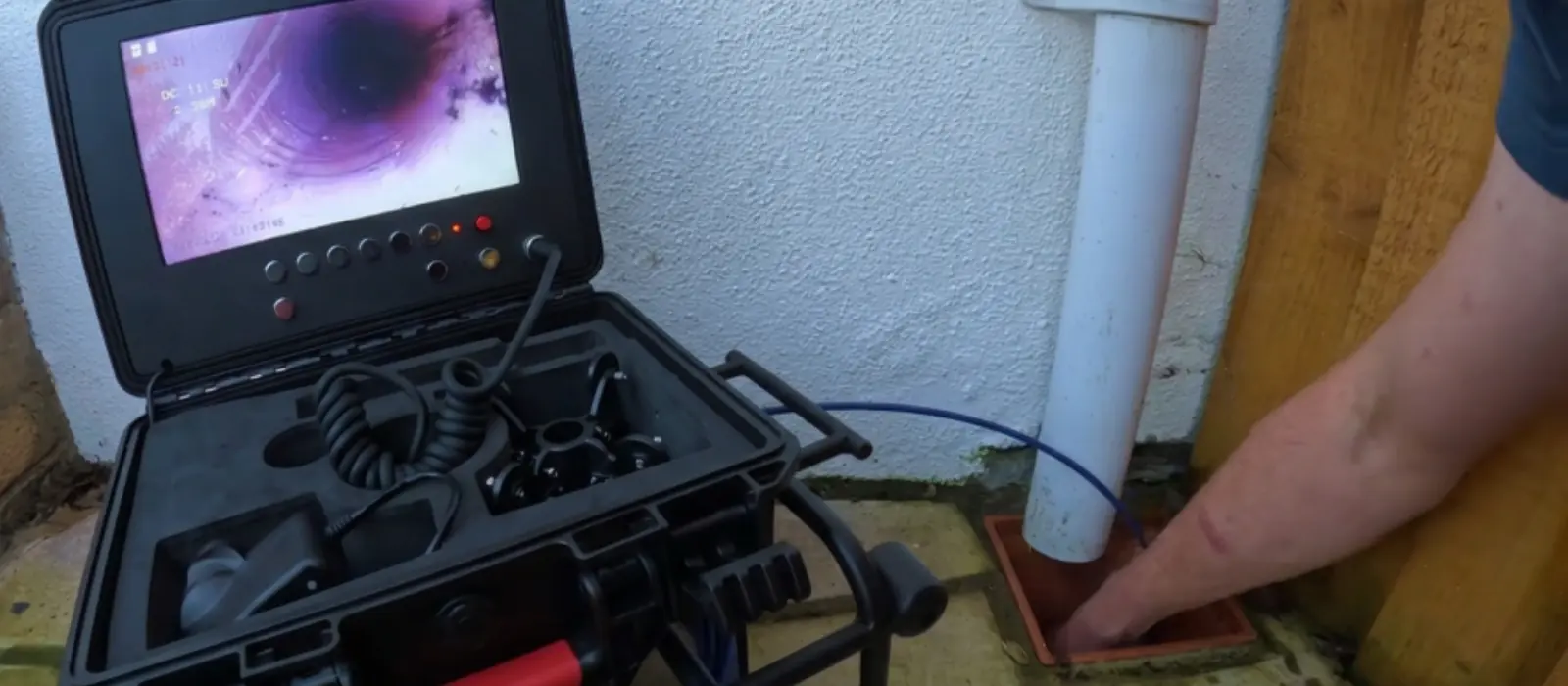
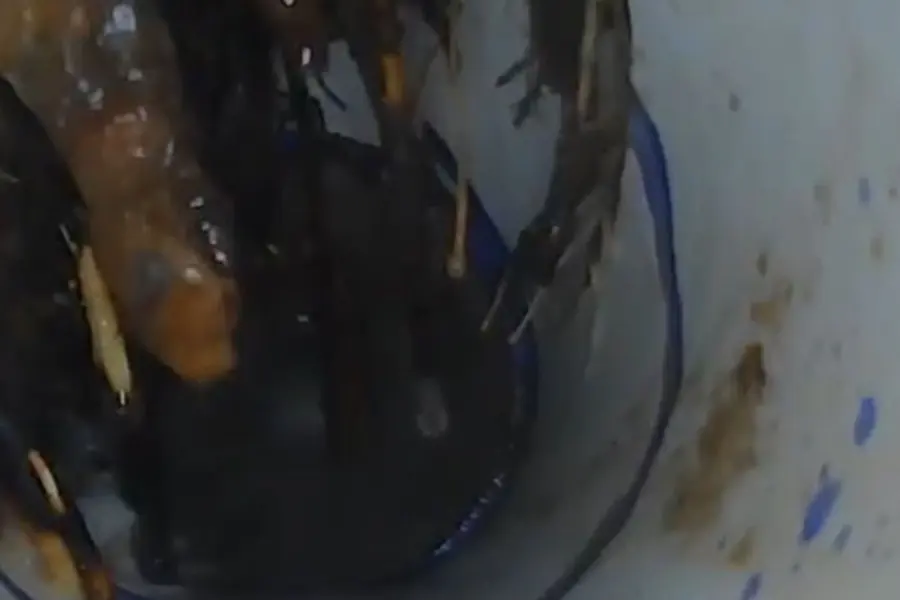
A camera shows pipe material and condition without digging. See sewer inspection.
Water heater trouble
No hot water, a leak at the tank or a unit near the end of its life. See water heater repair.
Leaks and high bills
A damp wall or a bill that creeps up deserves a look. See leak detection.
Questions to ask when the house is older
If you are buying, selling or renovating an older Old Town house, ask what the main drain and the water service are made of, and whether either has been inspected. Nobody can answer that from the street. A camera look at the sewer line is the direct way to find out, and a plumber can explain what the picture shows.
Remember who owns what. According to the City's construction detail sheet, the sewer service line is the property owner's responsibility, and the water service is split between an owner portion and a City portion at the curb stop. Knowing that before a problem starts saves a wasted call.
Plumbing problem in Old Town?
Old Town homeowners can call with the street and a short description of the problem.
Old Town plumbing at a glance
| If this happens | Start here | Why |
|---|---|---|
| Drain slow or backing up | Drain cleaning | Clog in the trap or branch line |
| Several fixtures gurgle together | Sewer line cleaning | Main line may be blocked |
| You want to know what is underground | Sewer inspection | Camera shows condition |
| Water heater is cold or leaking | Water heater replacement | Tank at end of life or failed part |
Local facts here come from the City of Louisville Old Town historical building survey, the City's Comprehensive Plan existing conditions appendix and the City's construction detail sheet. General plumbing guidance is not a claim about any one house. Confirm permit rules with the City's Building Safety division.
Questions we hear most
No. Old Town is part of the City of Louisville, and this page serves homes there as part of our Louisville service.
Not necessarily. Pipes may have been replaced over the years, and we cannot know until we look. A camera inspection of the sewer line shows what is actually there.
According to the City of Louisville's construction detail sheet, the sewer service line is the property owner's responsibility. A plumber can help find where a problem sits.
It shows the pipe material and condition without digging, which gives you something concrete to weigh. See sewer inspection.
Stop using water in the house and call. See drain cleaning for steps you can take while you wait.
Not sure whether your street counts as Old Town? Give us the address and we will sort it out.